Sleeping Pills Overdose: Risk, Symptoms, Causes, and Treatment
By Parmarth Foundation
Sleep is essential for a healthy life, but when sleep problems become chronic, many people turn to sleeping pills for quick relief. While these medications can be helpful when used correctly, misuse or overdose can lead to serious health risks. At Parmarth Foundation, we believe in spreading awareness about safe medication use and mental well-being.
In this blog, we will explain the risks, symptoms, causes, and treatment of sleeping pills overdose in a simple and practical way.
What is Sleeping Pills Overdose?
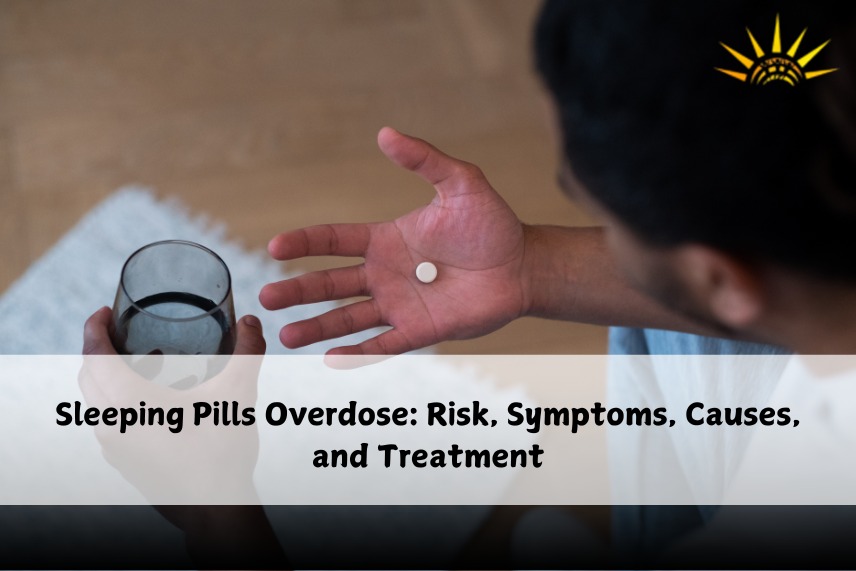
A sleeping pills overdose happens when a person consumes more than the prescribed dosage of sleep medication. This can be accidental or intentional. Overdosing affects the central nervous system and can slow down breathing, heart rate, and brain activity.
In India, increasing stress, anxiety, and sleep disorders have led to a rise in the use of sleep medications. However, lack of awareness about dosage and side effects increases the risk of overdose.
Common Causes of Sleeping Pills Overdose
Understanding the causes can help prevent serious consequences:
1. Self-medication
Many people in India take sleeping pills without consulting a doctor. This often leads to incorrect dosage.
2. Mental health issues
Conditions like anxiety, depression, and stress can lead to misuse of medication.
3. Mixing with alcohol
Combining sleeping pills with alcohol is extremely dangerous and can increase overdose risk.
4. Increased tolerance
Over time, the body may require higher doses to achieve the same effect, leading to accidental overdose.
5. Intentional overdose
In some cases, individuals may take excessive pills due to emotional distress or suicidal thoughts.
Symptoms of Sleeping Pills Overdose
Recognizing early symptoms can save lives. Common signs include:
If you notice these symptoms in someone, seek immediate medical help.
Risks and Complications
Sleeping pills overdose can lead to serious health problems, such as:
Long-term misuse can also lead to dependency and addiction, which requires professional treatment.
Treatment for Sleeping Pills Overdose
Immediate medical attention is critical. Treatment depends on the severity of the overdose:
1. Emergency care
Doctors may stabilize breathing and heart function.
2. Activated charcoal
This may be used to absorb the drug if taken recently.
3. IV fluids
Helps maintain hydration and flush toxins from the body.
4. Monitoring
Patients are closely monitored for vital signs and complications.
5. Mental health support
If overdose is intentional, counseling and psychiatric care are essential.
At Parmarth Foundation, we emphasize not only physical treatment but also emotional and psychological support.
Prevention Tips
Preventing overdose is always better than treatment. Follow these simple tips:
Importance of Awareness in India
In cities like Delhi, Ghaziabad, and across India, lifestyle stress is increasing rapidly. Many individuals rely on quick solutions like sleeping pills without understanding the risks.
Organizations like Parmarth Foundation are working to spread awareness about safe medication practices, mental health, and holistic healing approaches.
Conclusion
Sleeping pills can be helpful when used responsibly, but overdose can have life-threatening consequences. Awareness, proper medical guidance, and mental health support are key to preventing such situations.
If you or someone you know is struggling with sleep problems or medication misuse, do not hesitate to seek professional help. Your health and safety always come first.
FAQs
1. What should I do if someone overdoses on sleeping pills?
Call emergency medical services immediately and do not leave the person alone.
2. Can sleeping pills overdose be fatal?
Yes, in severe cases, it can lead to coma or death if not treated on time.
3. How many sleeping pills are considered an overdose?
It depends on the type of medication and individual health condition. Even slightly higher than prescribed doses can be dangerous.
4. Are sleeping pills addictive?
Yes, long-term use can lead to dependency and addiction.
5. How can I improve sleep without medication?
You can try natural methods like maintaining a sleep routine, reducing screen time, meditation, and a healthy diet.