What Makes a Drug Legal or Illegal?
A Complete Guide by Parmarth Foundation (India)
Understanding what makes a drug legal or illegal is important for every responsible citizen. In India, laws around drugs are strict, and being unaware can lead to serious consequences. This guide by Parmarth Foundation explains the key factors in simple, human-friendly language while keeping SEO, compliance, and accuracy in mind.
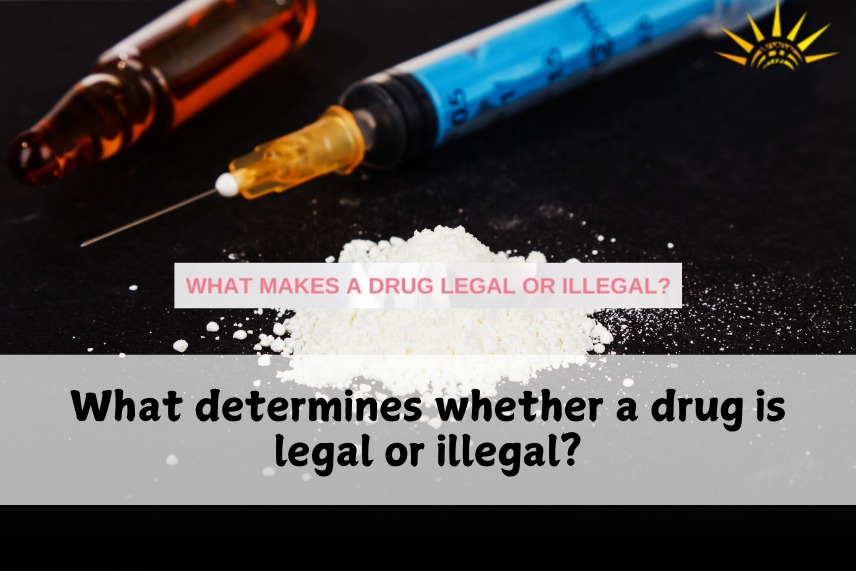
What Determines Whether a Drug is Legal or Illegal?
A drug is classified as legal or illegal based on how it affects health, its potential for misuse, and government regulations. Authorities evaluate several factors before deciding whether a substance should be allowed, restricted, or banned.
1. Government Laws and Regulations in India
In India, drug control is primarily governed by laws like the Narcotic Drugs and Psychotropic Substances (NDPS) Act. This law regulates the use, sale, and possession of certain substances.
The government regularly updates these rules to protect public health and safety.
2. Medical Use and Benefits
One of the biggest factors is whether the drug has accepted medical value.
If a drug has no proven medical benefit and causes harm, it is more likely to be banned.
3. Risk of Addiction and Abuse
Drugs that have a high potential for addiction are usually strictly controlled or illegal.
Examples include:
The higher the risk of abuse, the stricter the regulation.
4. Impact on Society and Public Safety
Authorities also consider how a drug affects society.
If the overall impact is harmful, the drug is more likely to be declared illegal.
5. International Guidelines and Agreements
India also follows international drug control policies set by global organizations. These agreements help maintain consistency across countries in controlling harmful substances.
Legal vs Illegal Drugs: Simple Comparison
| Legal Drugs | Illegal Drugs |
|---|---|
| Prescribed by doctors | No legal medical use |
| Regulated and tested | Unregulated and unsafe |
| Sold through licensed pharmacies | Sold illegally |
| Used for treatment | Often used for addiction or misuse |
Why Awareness is Important
Many people in India are unaware that even carrying certain substances without a prescription can be a punishable offense. Awareness helps:
At Parmarth Foundation, we believe education is the first step toward a healthier and safer society.
Indian Context: Local Awareness Matters
In cities like Delhi, Ghaziabad, and across NCR, drug awareness campaigns are increasing. However, misuse of substances is still a concern, especially among youth.
Important Indian Keywords (SEO Focus)
These keywords help spread awareness locally and improve accessibility of reliable information.
How to Stay Safe and Compliant
Role of Parmarth Foundation
Parmarth Foundation works toward spreading awareness about health, addiction prevention, and safe living practices in India. Our mission is to educate communities and promote responsible choices.
Frequently Asked Questions (FAQs)
1. What is the main law controlling drugs in India?
The NDPS Act regulates the use, possession, and sale of narcotic and psychotropic substances in India.
2. Are all medicines legal drugs?
Yes, but only when used with proper prescription and as per guidelines.
3. Can a legal drug become illegal?
Yes. If misuse increases or new research shows harmful effects, the government can ban or restrict it.
4. Is it illegal to carry prescription medicine without a prescription?
Yes, in some cases it can lead to legal issues, especially for controlled substances.
5. Why are some drugs banned worldwide?
Because they have high addiction potential, no medical use, and harmful effects on individuals and society.
Final Thoughts
The difference between legal and illegal drugs is not random—it is based on science, safety, and social impact. Understanding these factors can help individuals make better decisions and contribute to a healthier India.
Parmarth Foundation encourages everyone to stay informed, stay safe, and support awareness initiatives in their community.